
Plant Profile: BioEnergiepark Güstrow
Location: 18273 Güstrow, Germany
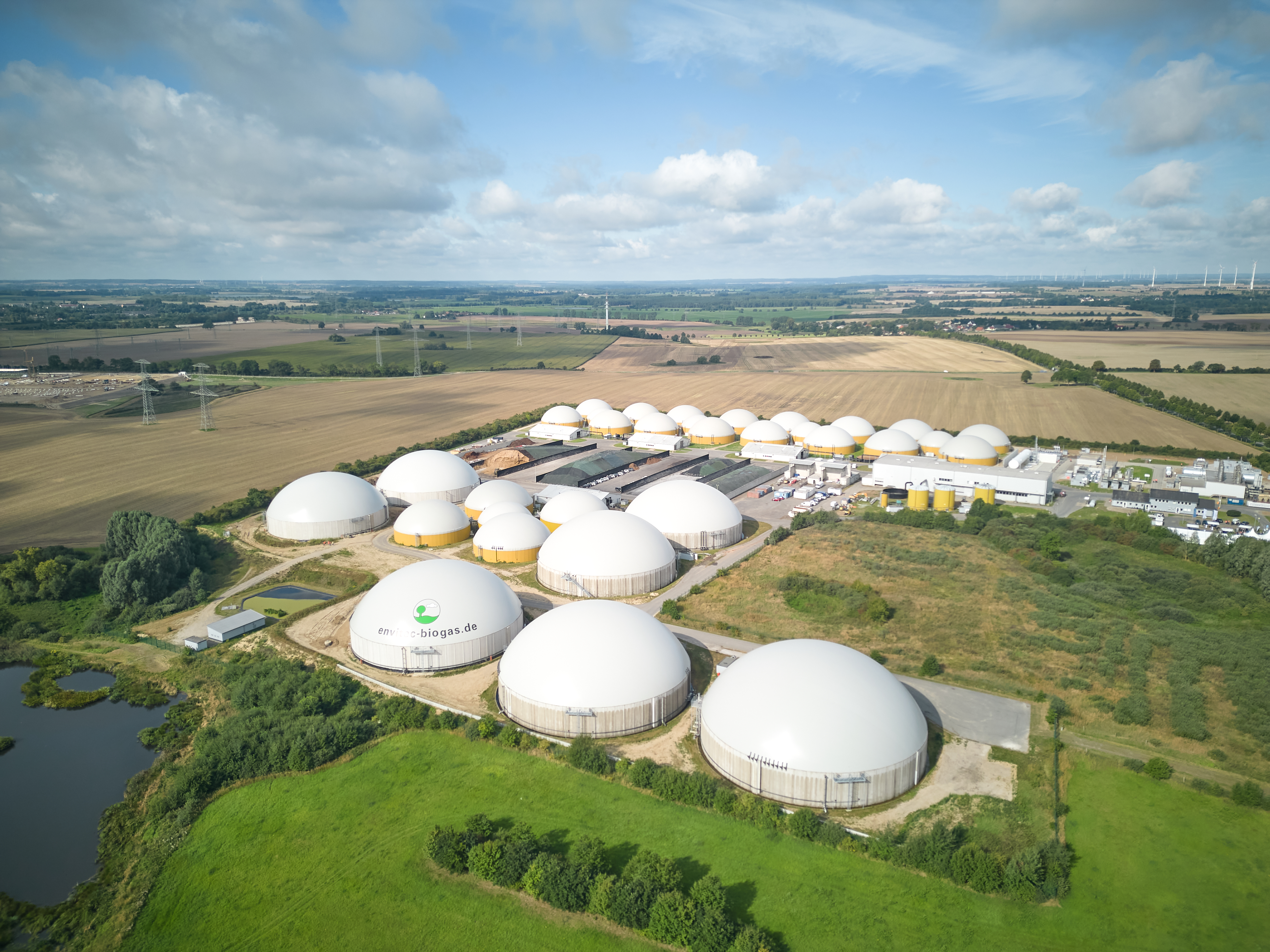
Capacity: around 9,000 t Bio-LNG and around 18,000 t LCO2 p.a., CHPs with 3.1 MWel
In-service date: 2009, conversion in 2023
Input materials: 150,000 tonnes p.a., mainly agricultural waste materials
Special features: Germany's largest integrated bio-LNG plant (bio-LNG incl. CO2 liquefaction plant)
Key facts
In regular operation, the Güstrow plant will supply about 9,600 t of bio-LNG per year to help make heavy goods traffic greener. In terms of mileage, this output of green fuel can power 50 million truck kilometres a year. Numerous agreements have already been signed with customers looking to offer this LNG as an alternative fuel at their filling stations.
- Commissioning of Germany’s largest biogas plant, built by EnviTec Biogas, in 2009
- Purchase and transfer to EnviTec Own Investment in 2021
- Production of about 9,000 metric tonnes of bio-LNG (liquefied natural gas) and around 18,000 metric tonnes of bio-LCO2 in regular operation
- Previously, the 500-GWh biogas upgrading unit fed biomethane into the 25-bar natural gas network. The former operator required around 400,000 metric tonnes of substrate for this. This was predominantly sweet corn, but also included whole plant silage, cereals and grass silage.
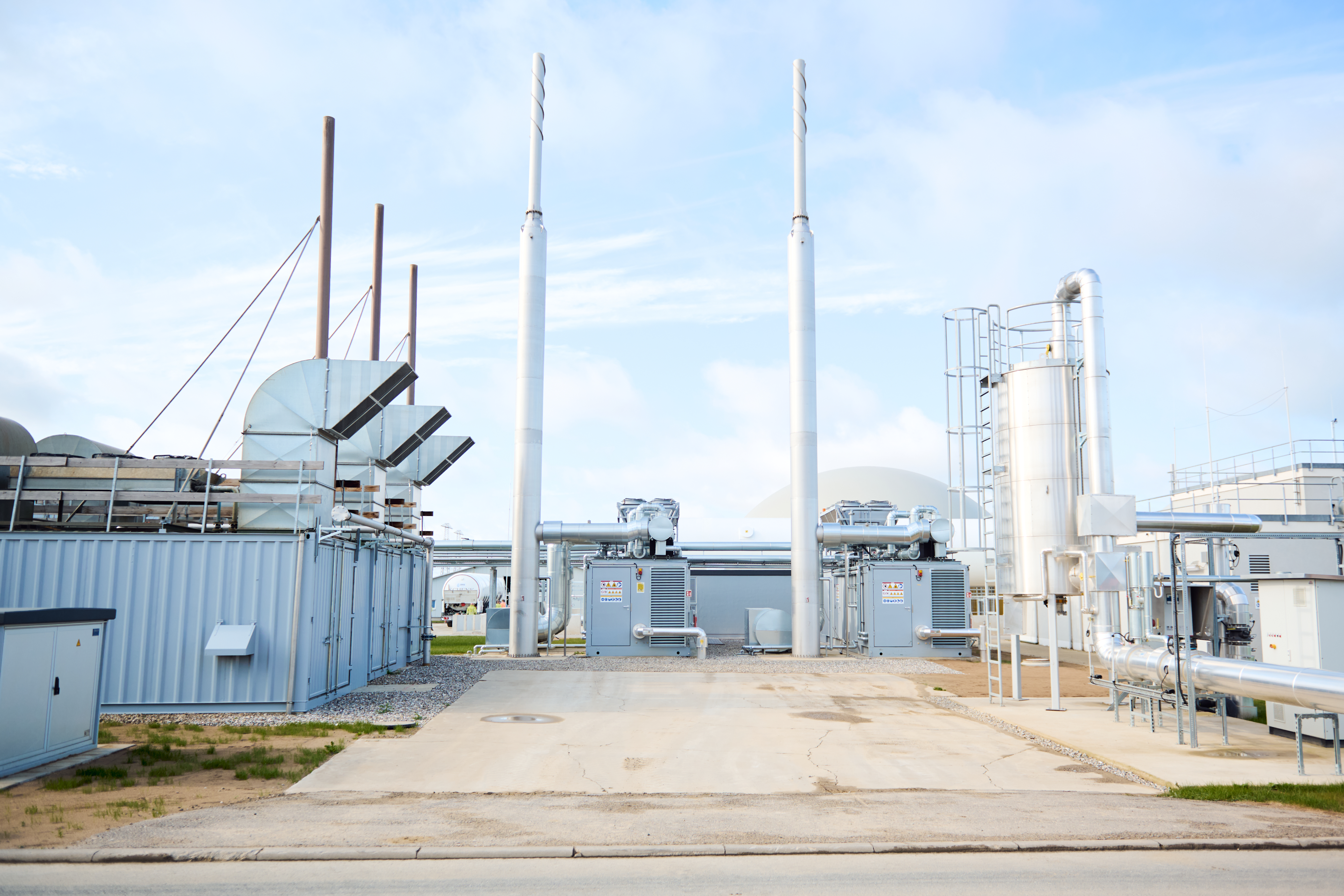
- The new operating concept, input will be reduced to 150,000 metric tonnes per annum, primarily consisting of agricultural residues. Additional CHP units will be 'docked on' to supply 3.1 MWel of power for the plant's own use. Digestate storage capacities have also been adjusted accordingly.
- The conversion of the Güstrow site required investment in a CO2 liquefaction plant and an LNG plant for biomethane liquefaction as well as extensive reinvestment in elements such as new roofs and agitators amounting to more than EUR 50 million.
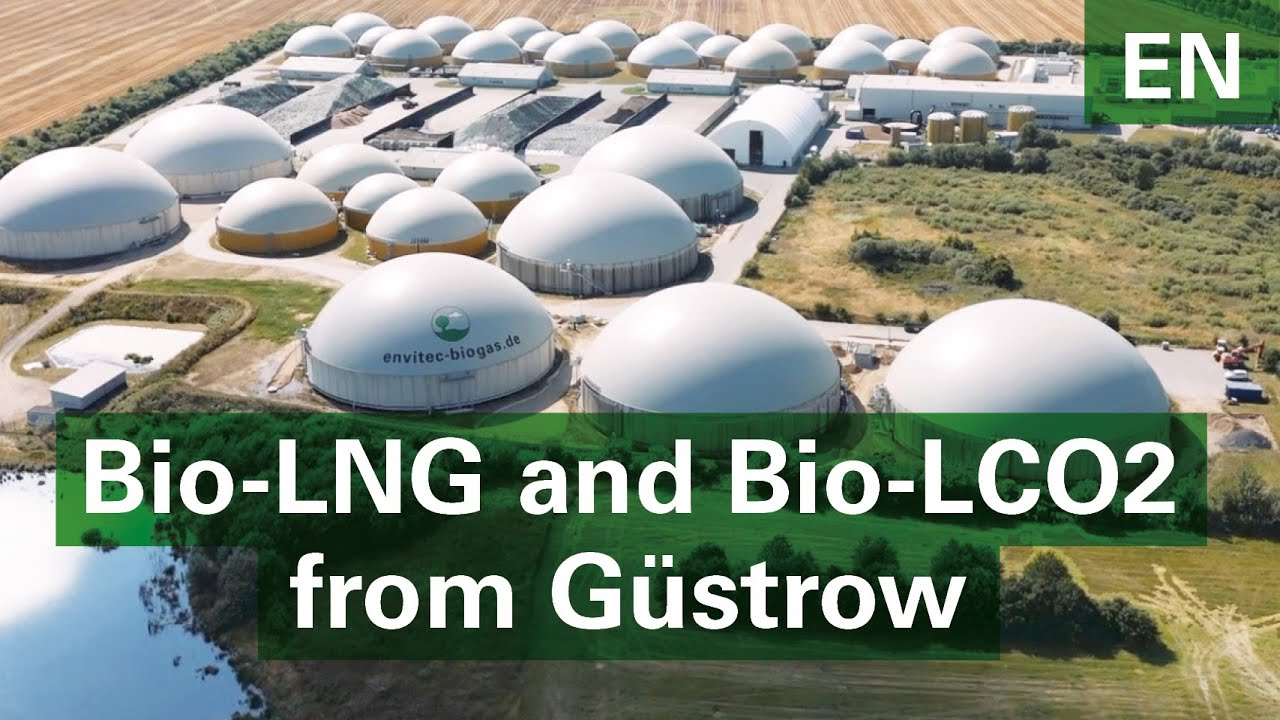
The BioEnergie Park Güstrow
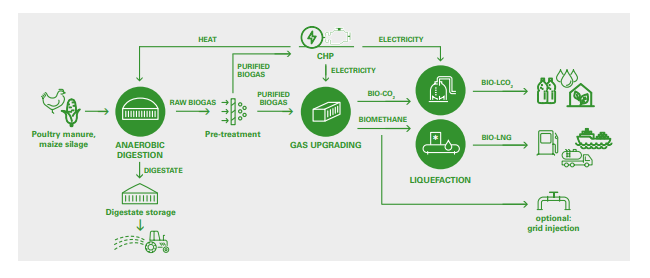
Germany‘s largest integrated bio-LNG plant covers the entire value chain on a total area of 17 hectares: Production of biogas, upgrading to biomethane as well as LNG and CO2 liquefaction. Customers include filling station operators and the food industry. In this way, we contribute to a considerable reduction in CO2 and particulate matter in the transportation sector and supply a renewable raw material, also for the chemical industry.

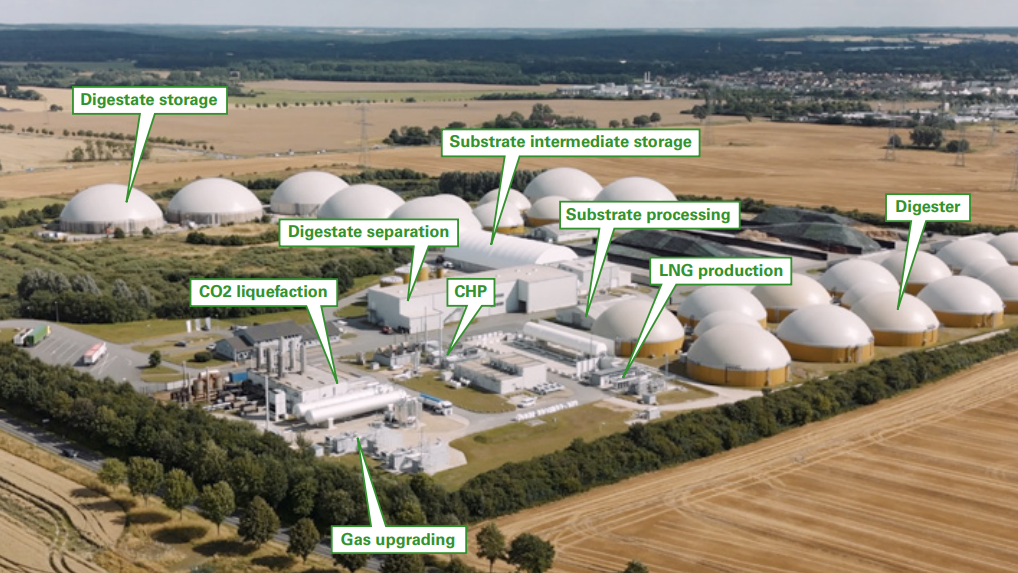
Biogas upgrading
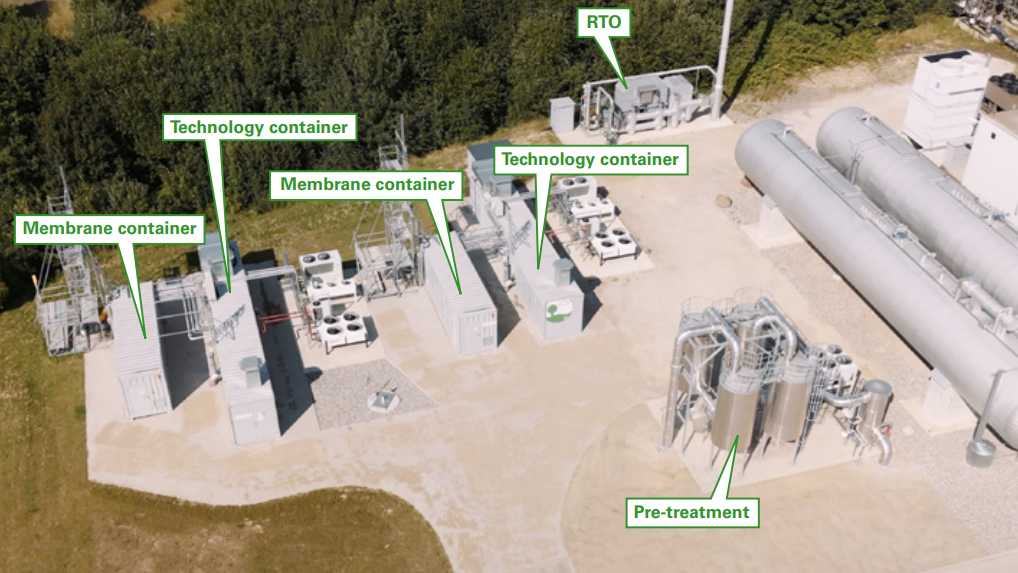
For gas upgrading, we rely on Evonik‘s patented membrane technology. The jointly developed EnviThan process, which has been implemented in over 100 plants, converts raw biogas simply and efficiently into high-purity biomethane. Sulfur compounds are filtered out and methane and CO2 are separated from each other. The high-purity biomethane has the same chemical properties as natural gas and is liquefied into bio-LNG, but can also be fed into the natural gas grid if required. The separated bio-CO2 is also used and liquefied into bio-LCO2.

Bio-CO2 liquefaction

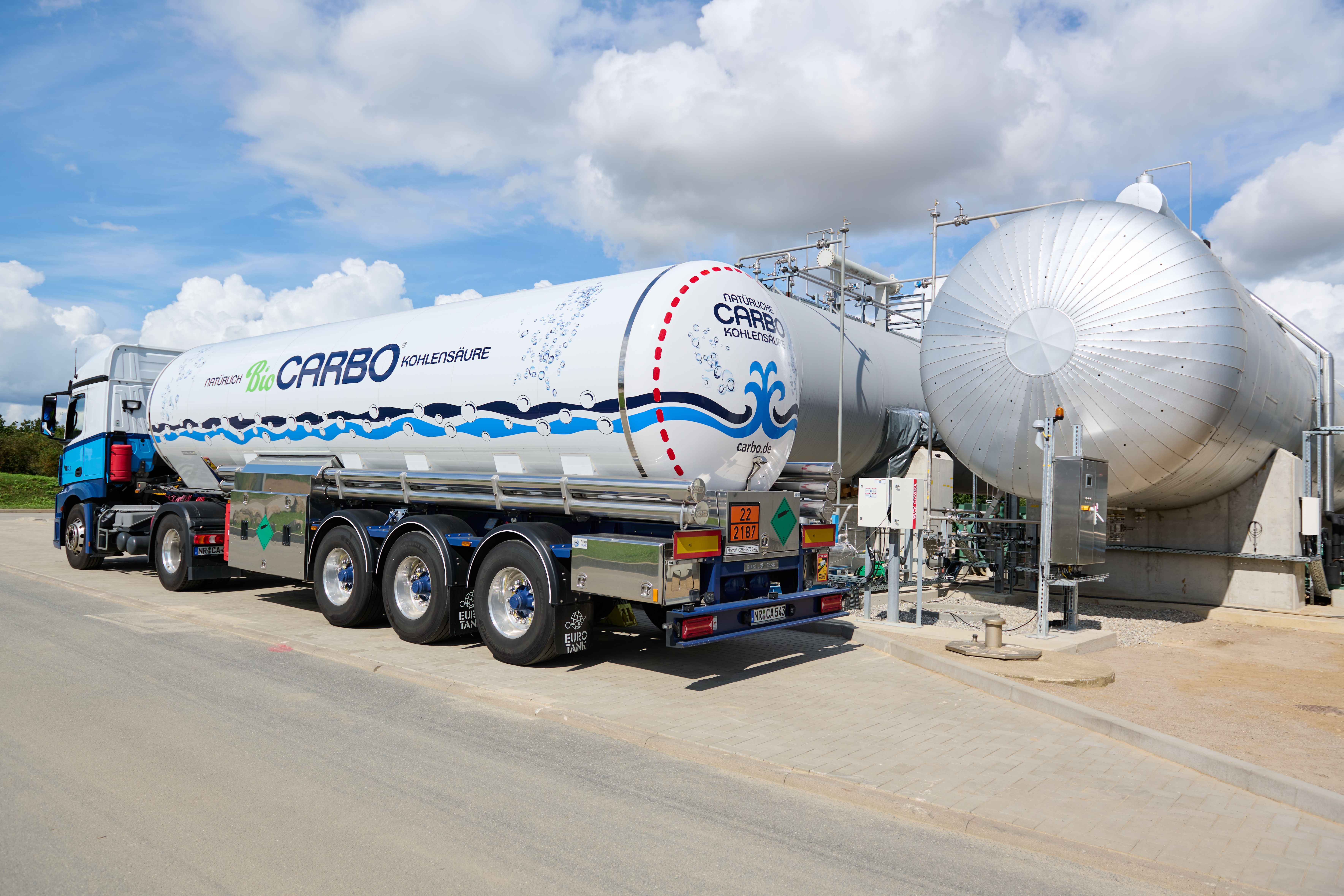
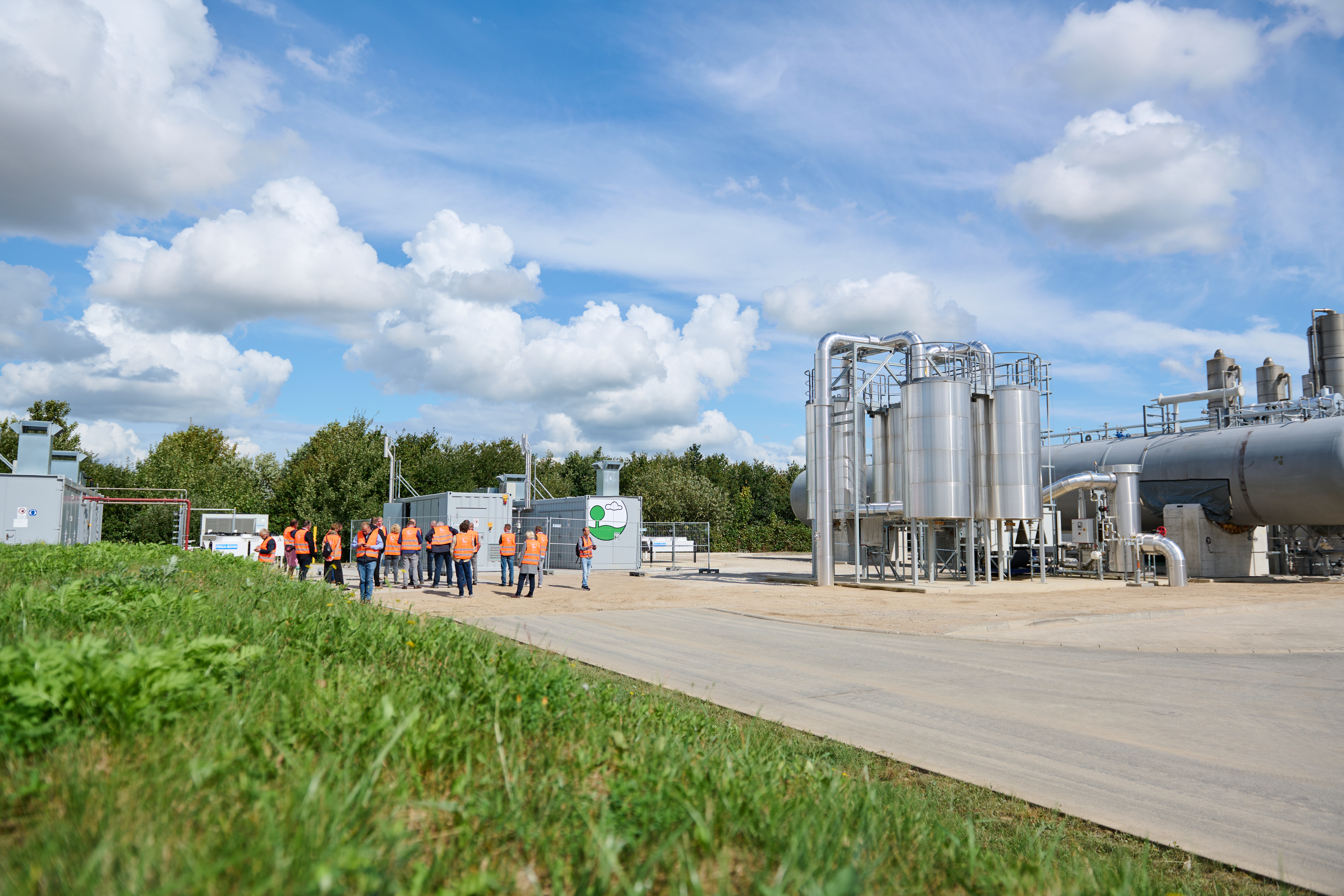
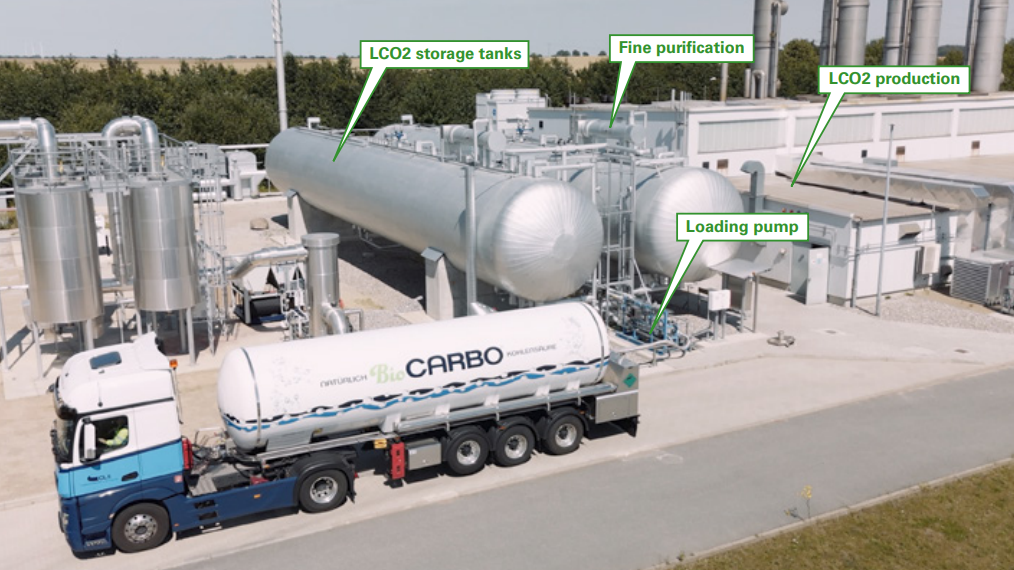
The CO2 captured during gas upgrading is also used. In this plant, it is compressed, liquefied, purified and stored as food-grade carbon dioxide until it is collected.
Possible applications:
- Carbonation in the beverage industry
- Cooling and freezing
- Production of plastics in the chemical industry
- Production of synthetic fuels, e.g. kerosene
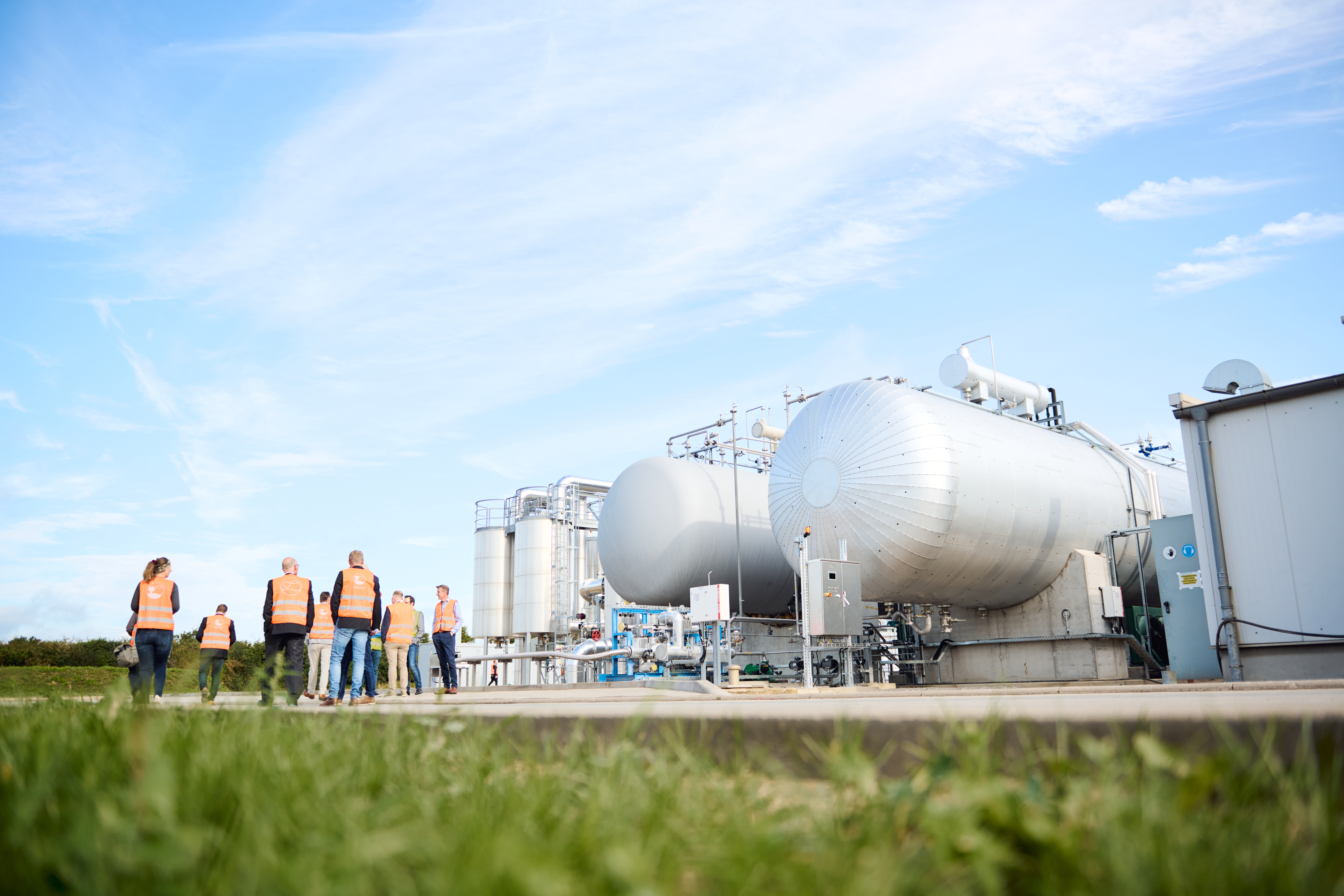
Bio-LNG production
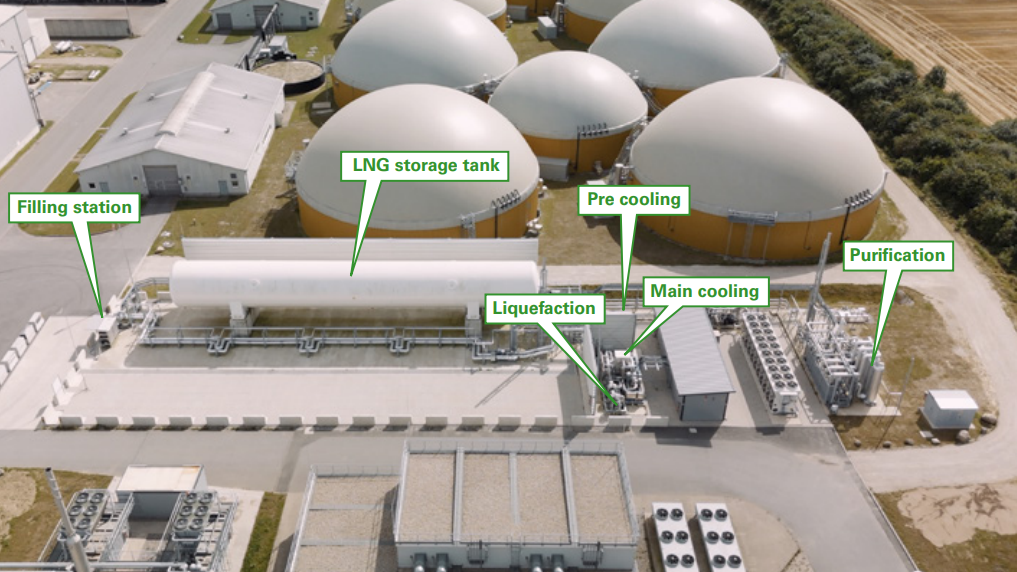
The biomethane liquefaction system consists of four components: fine purification for the complete removal of moisture and carbon dioxide, liquefaction unit, storage tank and a transfer system for filling transport tanks for delivery to fueling stations. As a green fuel for trucks, airplanes and ships, bio-LNG makes an important contribution to the transport transition. It is the climate-neutral alternative to fossil LNG.