
Green energy carrier biomethane proves its versatility in the renewable energy mix
Since July, EnviTec’s own plant in Priborn, Mecklenburg-Western Pomerania, has been upgrading biogas to biomethane. To this end, the biogas plant, which has been in operation since 2004 and formerly had an electrical output of 550 kWel, has been expanded in recent months with an EnviThan gas upgrading plant with a capacity of 475 Nm³/h. Additional components include a new PreMix mixing technology, a special push floor system, a technical building, an oxygen generator, three digestate storage tanks with two filling stations, a pump house, a separation unit and an additional emergency flare.
A further example of the increasing conversion of existing biogas plants to biomethane is taking shape at the Friesoythe site, in Lower Saxony. After 22 years of biogas production and the expiry of the EEG remuneration on 1 January 2025, the operator of the family-run farm is once again relying on EnviTec Biogas’ expertise. The former 370 kW co-fermentation plant is one of the first biogas plants built by EnviTec and is now set to inject biomethane into the local gas grid operated by EWE NETZ using EnviThan gas upgrading. In the first expansion stage, the plant will be designed for 500 Nm³/h of raw biogas; in the long term, a total capacity of 600 Nm³/h is possible. Renewable raw materials, slurry and manure from the farm itself are to be used as feedstocks. The project is therefore a good example of how existing agricultural plants can be further developed even after the end of EEG remuneration and used to provide green heat and energy in the region.
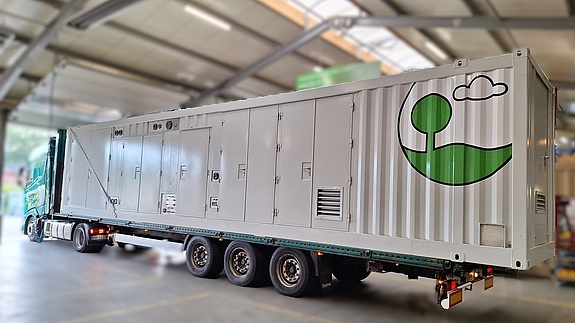
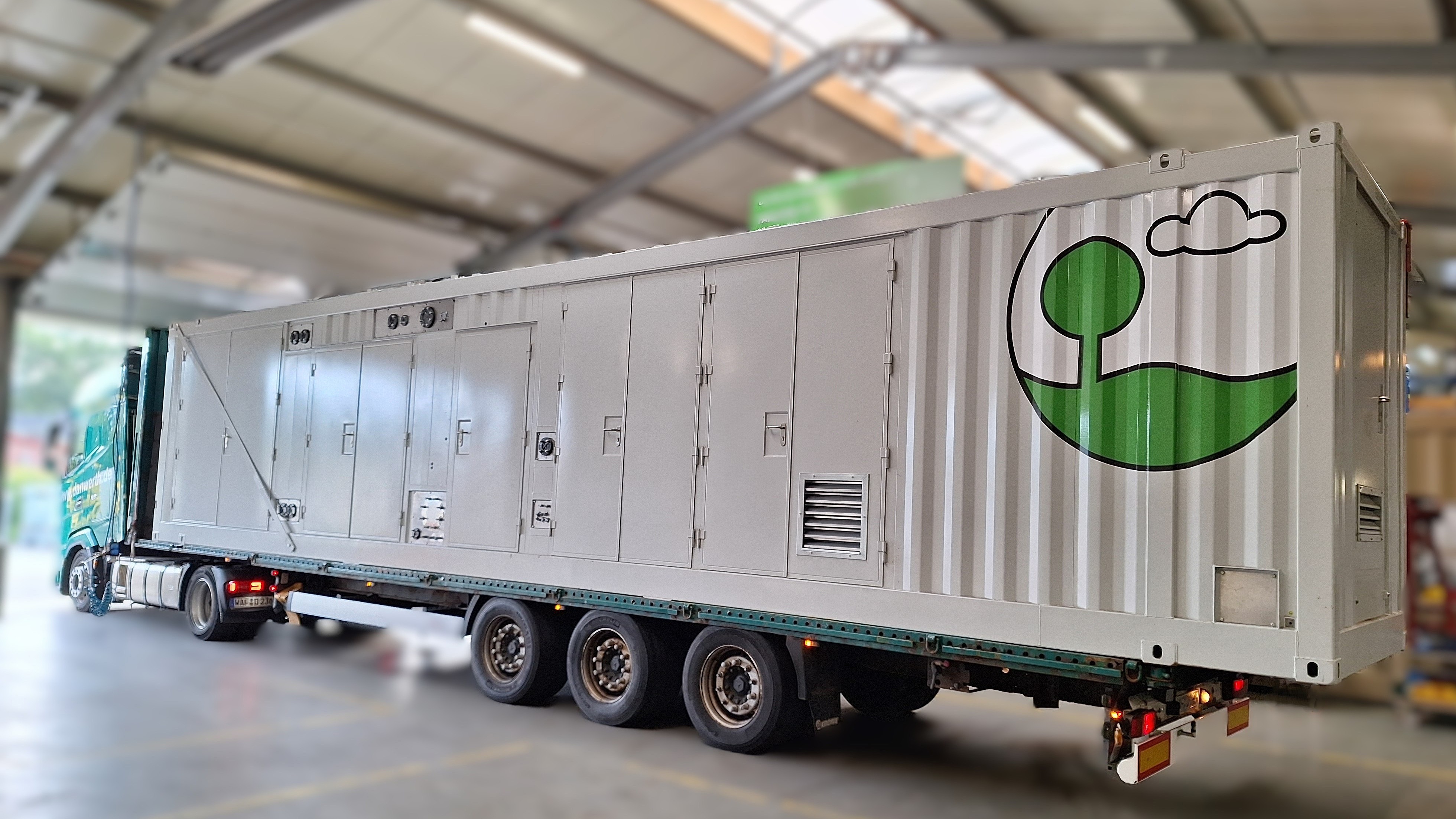
Another project on the way to its first feed-in is the biogas plant with gas upgrading of a customer in Delbrück, North Rhine-Westphalia. The biomethane upgrading plant, with a capacity of 200 Nm³/h, is equipped with 4- and 6-inch membranes, housed in a 45-foot container and connected to the existing plant. Following delivery of the container in the second week of September, the first feed-in is scheduled for November. The owners, two farmers from the region, already operate a combined heat and power unit. In future, biomethane will also be injected into the local gas grid.
Biomethane is increasingly developing into an important and versatile alternative to fossil energy sources. It is produced by upgrading biogas generated from organic residues and renewable raw materials and has a composition that is almost identical to that of fossil natural gas. Thanks to these properties, biomethane is a valuable energy carrier for a wide range of applications. Whether for electricity and heat generation, as a fuel in the transport sector or for use in industrial processes, biomethane offers a sustainable solution that makes an important contribution to reducing greenhouse gas emissions while also decreasing dependence on fossil energy resources.